
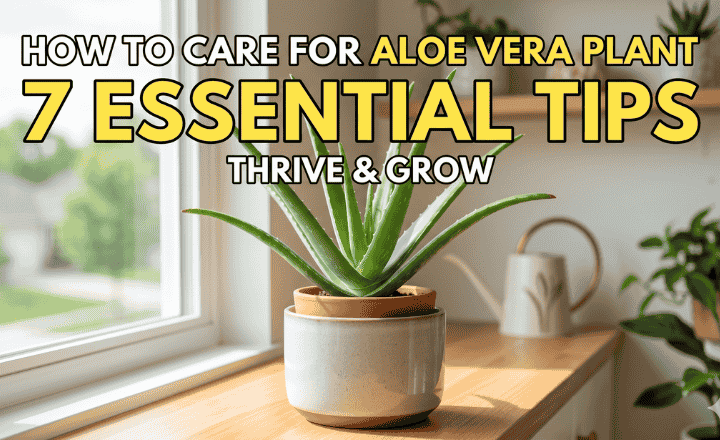
Figuring out exactly how to care for aloe vera plant transforms your indoor gardening experience completely. Many beginners struggle initially with keeping these beautiful succulents vibrant and thriving year-round. However, you will quickly master the process by following a few simple and fundamental rules.
Furthermore, these resilient plants bring a touch of natural beauty into any living space effortlessly. They also provide incredible healing gel that you can easily harvest directly from the mature leaves. Therefore, investing a little time into their maintenance yields highly rewarding results for your entire household.
This comprehensive guide breaks down the essential steps for nurturing your green companion successfully. We will explore everything from ideal watering schedules to the absolute best sunlight conditions. Let us dive right into the basic requirements to keep your succulent perfectly healthy.
Understanding The Basic Needs Of Your Succulent
Aloe vera plants originate from arid, desert environments that experience very minimal rainfall annually. Consequently, their internal biology heavily relies on storing massive amounts of water inside their thick leaves. This evolutionary trait dictates exactly how you should treat them in an artificial home environment.
Overwatering remains the absolute number one mistake that kills these hardy houseplants quickly. They naturally prefer prolonged periods of drought rather than sitting in a pool of stagnant moisture. Therefore, mimicking their dry native habitat guarantees a long and healthy lifespan for your plant.
Steps On How To Care For Aloe Vera Plant Indoors
Bringing these desert natives inside requires adjusting your usual indoor gardening habits completely. You must provide an environment that closely replicates their natural outdoor growing conditions effortlessly. Let us examine the fundamental pillars of successful indoor succulent management.
1. Selecting The Best Well Draining Soil Mixture
Regular potting soil retains too much moisture and inevitably suffocates your delicate plant roots. Instead, you must purchase a specialized cactus or succulent mix from your local garden center. This specific commercial blend contains essential drainage materials like perlite, pumice, and coarse sand.
Alternatively, you can easily create your own perfect potting medium right at home. Simply mix equal parts of standard potting soil with coarse building sand and horticultural perlite. Consequently, this custom mixture allows excess water to escape rapidly from the dense root zone.
2. Finding The Perfect Sunny Spot In Your Home
Light plays a crucial role in maintaining the strong structural integrity of your green succulent. These sun-loving plants require bright, indirect sunlight for at least six hours every single day. Therefore, placing them near a south-facing or west-facing window usually provides the optimal lighting conditions.
However, you must carefully avoid placing them directly under harsh, scorching afternoon sun rays. Intense direct sunlight will quickly burn the leaves and turn them an ugly brown color. If you notice the foliage looking pale or flat, you should move the pot closer to a stronger light source.
3. Watering Correctly To Prevent Root Rot
Mastering the watering schedule determines the ultimate survival of your indoor potted companion. You should only water the plant when the top two inches of the soil feel completely dry to the touch. This simple physical test effectively prevents accidental overwatering and deadly fungal diseases.
When you finally water the succulent, you must drench the soil thoroughly until water runs out the bottom. Afterward, always empty the drainage saucer immediately to stop the roots from sitting in standing water. Furthermore, you should significantly reduce your watering frequency during the dormant winter months.
4. Choosing The Right Pot For Optimal Drainage
The container you select heavily influences the overall health of your beautiful desert plant. Terracotta or unglazed clay pots remain the absolute best choices for housing any succulent species. These porous materials actively wick excess moisture away from the wet soil into the surrounding air.
Regardless of the material, your chosen pot absolutely must feature large drainage holes at the very bottom. Without proper drainage, water will inevitably pool at the base and rot the root system rapidly. Therefore, you should never plant aloe vera in decorative glass containers that lack these essential escape holes.
5. Maintaining Ideal Temperature And Humidity Levels
These warm-weather plants thrive in average household temperatures ranging between fifty-five and eighty degrees Fahrenheit. They handle standard indoor climates beautifully without requiring any expensive special heating equipment. However, you must protect them strictly from freezing drafts near unsealed winter windows.
Furthermore, aloe vera naturally prefers dry air and strongly dislikes high humidity environments. You should never place them in heavily humid rooms like small bathrooms or steamy kitchens. Consequently, average indoor household air provides the perfect moisture level for these arid desert natives.
6. Feeding Your Plant During Growing Seasons
Aloe vera naturally grows in nutrient-poor environments and requires very little supplemental feeding throughout its life. However, applying a gentle fertilizer significantly boosts their overall health during the active spring and summer months. You should purchase a specialized liquid succulent fertilizer and dilute it to half strength.
Apply this weakened nutrient solution directly to the soil only once every single month. Furthermore, you must absolutely stop fertilizing the plant entirely during the dormant fall and winter seasons. Overfeeding actively burns the sensitive root system and causes rapid foliage decay.
7. Repotting The Succulent As It Outgrows Its Container
These robust plants generally prefer remaining slightly root-bound tightly inside their designated containers. You only need to consider repotting them when the heavy leaves cause the pot to tip over constantly. Alternatively, you should upgrade the container when fresh roots start protruding through the bottom drainage holes.
When you finally repot, choose a new container that measures only one inch wider than the current one. Carefully remove the entire root ball and gently shake off the old, depleted potting soil. Consequently, planting it in fresh succulent soil provides renewed nutrients for continued robust growth.
How To Care For Aloe Vera Plant During Winter Months
Winter introduces completely different environmental challenges for your indoor tropical companion. The reduced daylight hours naturally force the succulent into a prolonged state of physical dormancy. Therefore, you must adjust your care routine drastically to accommodate this quiet resting phase.
You should cut your watering frequency in half immediately when the cold weather arrives. The soil takes significantly longer to dry out thoroughly during these darker, cooler months. Overwatering during winter guarantees immediate root rot and sudden plant death.
Furthermore, ensure the pot stays far away from cold windows and drafty exterior doors. These sensitive succulents suffer severe tissue damage when exposed to sudden freezing temperatures. Maintaining a stable, warm indoor climate protects them perfectly until spring returns.
Propagating New Pups From The Mother Plant
Healthy and mature plants eventually produce tiny baby succulents known affectionately as pups. These small offsets grow directly from the main root system and emerge around the base of the mother plant. Propagating these pups offers the easiest method to multiply your indoor garden collection for free.
You must wait until the pups grow at least a few inches tall and develop their own root systems. Carefully unpot the entire plant and gently separate the babies from the mother using a clean, sharp knife. Afterward, let the cut ends callous over completely for a few days in a warm room.
Finally, plant the newly separated pups into their own small pots filled with fresh succulent soil. You should withhold water entirely for the first week to encourage new root growth. Soon, these babies will establish themselves firmly and begin their own rapid growth cycles.
Troubleshooting Common Succulent Problems
Even the most experienced indoor gardeners occasionally encounter issues with their desert plants. Recognizing the early warning signs allows you to fix these common problems before they become fatal. Let us look at the most frequent concerns and their immediate practical solutions.
Fixing Brown Or Mushy Leaves
Brown, mushy leaves almost always indicate severe overwatering or poor soil drainage. If you spot this alarming symptom, you must immediately remove the plant from its wet container. Inspect the root system carefully and trim away any black, slimy roots using sterilized pruning shears.
Conversely, dry and crispy brown leaf tips usually signal excessive sun exposure or extreme underwatering. You should evaluate your recent watering habits and consider moving the pot to a slightly shadier location. Consequently, adjusting your care routine quickly stops the physical damage from spreading further.
Eliminating Common Indoor Pests
Aloe vera generally resists most typical houseplant pests brilliantly due to its thick outer skin. However, sap-sucking insects like mealybugs and scale occasionally attack weakened or stressed plants. These tiny pests hide in the tight crevices where the leaves join the main central stem.
You can easily eliminate these annoying invaders using a simple cotton swab dipped in rubbing alcohol. Wipe the affected areas meticulously to kill the hidden bugs on contact instantly. Alternatively, spraying the entire foliage with organic neem oil prevents future pest infestations effectively.
Harvesting The Gel Safely
Growing your own plant provides immediate access to fresh, soothing botanical gel whenever you need it. You must always harvest from a mature plant that boasts thick, healthy, and deeply colored leaves. Harvesting correctly ensures the main plant continues growing vigorously without suffering unnecessary stress.
Use a sterilized, sharp knife to cut a thick outer leaf as close to the main stem as possible. Stand the cut leaf upright in a glass for ten minutes to drain the yellow, irritating latex sap. Afterward, you can safely peel away the green skin and scoop out the clear, therapeutic center.
Store any unused fresh gel inside an airtight container in your refrigerator immediately. The cold temperature preserves the active healing compounds perfectly for up to one full week. Therefore, you always have a natural remedy ready for sudden minor burns or skin irritations.
Frequently Asked Questions
ou must wait until the potting soil dries out completely before adding any new moisture. For most indoor environments, this usually translates to watering once every two or three weeks. Always prioritize underwatering over overwatering to keep the root system perfectly healthy.
These plants definitely prefer bright, indirect sunlight for optimal daily growth. Intense direct sunlight frequently burns the sensitive foliage and turns the beautiful green leaves brown. Place them near a bright window behind a sheer curtain for the absolute best results.
Drooping or creased leaves clearly indicate that your plant desperately needs more sunlight. Without adequate light, the internal structures weaken, causing the heavy leaves to bend and collapse. Moving the pot to a significantly brighter location usually resolves this structural issue quickly.
You should never mist the leaves of this arid desert native under any circumstances. Misting artificially raises the local humidity and actively encourages deadly fungal diseases to develop. They vastly prefer dry indoor air over simulated tropical environments.
You should only repot the plant when it becomes severely root-bound or too top-heavy for its current container. Spring represents the safest season for repotting because the plant actively enters its main growth phase. Consequently, it recovers from the transplant shock much faster during this energetic period.
Final Thoughts On How To Care For Aloe Vera Plant
Mastering the art of indoor succulent care rewards you with a beautiful and highly functional houseplant. You completely eliminate the guesswork by simply mimicking their dry, bright, and warm natural desert habitat. Anyone can successfully grow these resilient plants by following these straightforward environmental guidelines.
Remember that patience and careful observation remain your absolute best tools for indoor gardening success. You will undoubtedly enjoy the aesthetic beauty and practical healing benefits of your green companion for many years. Implement these essential tips today and watch your lovely succulent thrive beautifully.
